Técnicas alternativas de impresión fotográfica
cuerpo, materialidad y aprendizaje en tiempos digitales.
DOI:
https://doi.org/10.26807/cav.v11i21.669Palabras clave:
tecnicas fotograficas alternativas, clorotipia, antotipia, cianotipia, transferencia por presion, educación artística, cuerpo performativo, imagen materialResumen
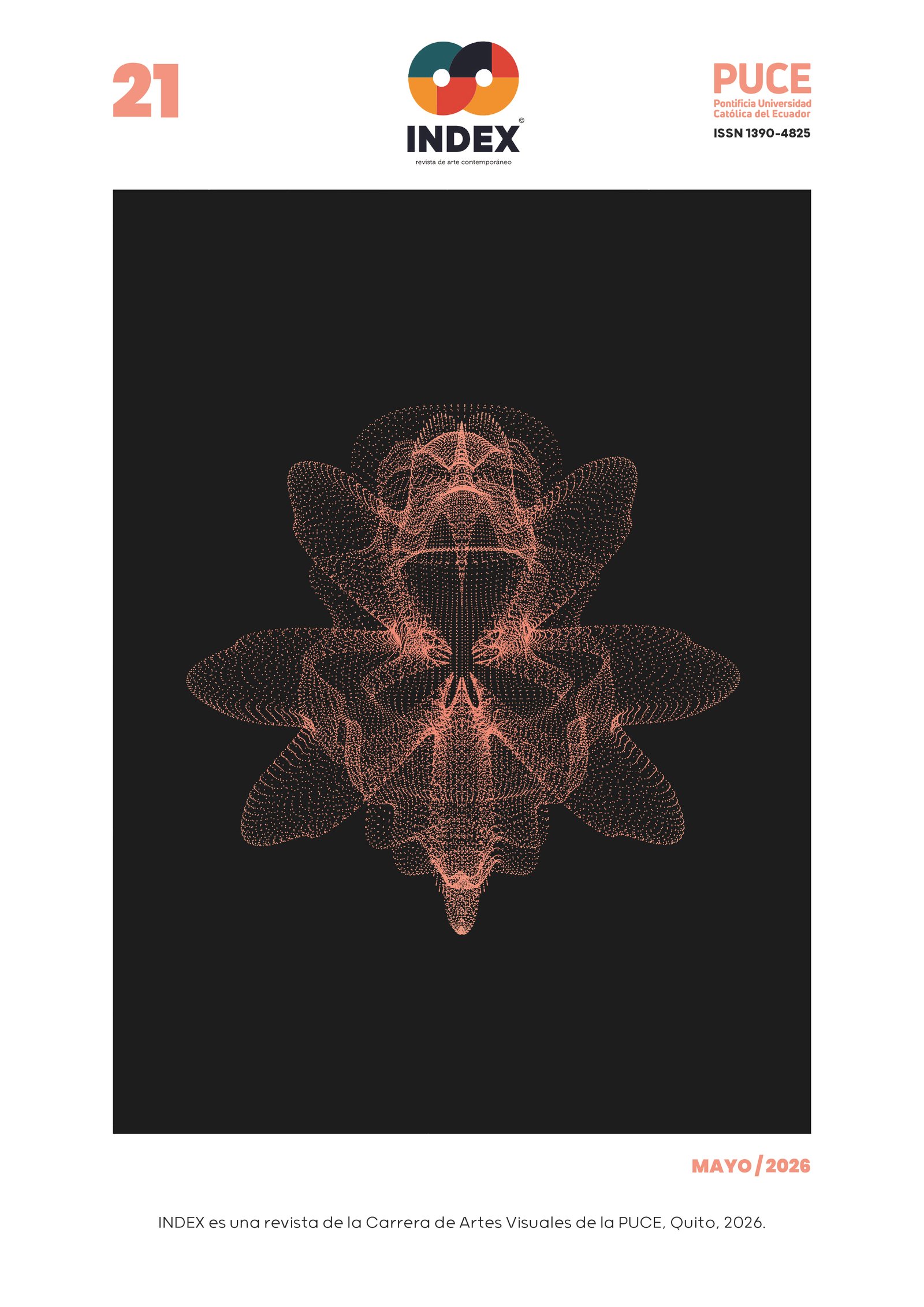
Este artículo parte de la hipótesis de que las técnicas alternativas de impresión fotográfica (clorotipia, antotipia, cianotipia y la transferencia por calcado con presión) constituyen procesos híbridos que articulan insumos digitales (como negativos o imágenes impresas) con procedimientos manuales, táctiles y experimentales. Esta hibridación adquiere una pertinencia particular dentro de la educación artística, al fomentar una práctica formativa en la que el cuerpo del creador (estudiante) interviene activamente en un hacer performativo: manipula, espera, decide, observa y experimenta. En contraste con la inmediatez de lo digital, estas técnicas promueven una relación crítica con lo material y recuperan el valor del cuerpo como agente sensible en los procesos de creación artística.
Descargas
Citas
Referencias
Barrett, E., & Bolt, B. (Eds.). (2007). Practice as Research: Approaches to Creative Arts Enquiry. I.B. Tauris.
Bourriaud, N. (2002). Estética relacional. Adriana Hidalgo Editora.
Bhabha, H. K. (2002). El lugar de la cultura (Trad. F. J. Ramos). Manantial.
Brea, J. L. (2002). La era postmedia: Acción comunicativa, prácticas (post)artísticas y dispositivos neomediales. Salamanca: Ediciones Consorcio Salamanca.
Fabbri, M. (2012). Anthotypes, Explore the dark room in your garden and make photographs using plants. Sweden. Ed. Alternative Photography.
Fabbri, M. (2022). Anthotype Emulsions, Volume 1 – The collective research from photographers on World Anthotype Day 2022. Sweden. Ed. Alternative Photography
Garcés, M. (2020). Escuela de aprendices. Galaxia Gutenberg
González, M. (2010). Nuevos procesos de transferencia mediante tóner y su aplicación al grabado calcográfico. Universidad Complutense de Madrid.
Hoyas Frontera, G., & Molina Alarcón, M. (2001). Condicionantes sociales en la experiencia táctil. Revista de Enfermería, (14), 27–30.
In the Eclipse of Angkor, Frances Niederer Artist in Residence Binh Danh (2009) catálogo de la exposición (Virginia, 2009). The Eleanor D. Wilson Museum.
Ingold, T. (2013). Making: Anthropology, Archaeology, Art and Architecture. Routledge.
Jones, A. (1998). Body Art: Performing the Subject. University of Minnesota Press.
Lynn, G. (2012). Fotografía, manual de procesos alternativos. México: UNAM.
Lange-Berndt, P. (Ed.). (2015) Materiality. Whitechapel Gallery; The MIT Press.
Moreno Sáez, M. D. C. (2007). La cianotipia: una propuesta fotográfica alternativa.
Mrhar, P. (2014). Cianotipia, fotografía antigua y alternativa. EU: Editorial Createspace Independent.
Newhall, B. (2002). Historia de la Fotografía. Barcelona: Gustavo Gili.
Pastor, J., & Alcalá Mellado, J. R. (1997). Procedimientos de transferencia en la creación
Pérez, P. (2023, octubre 16) ¿Qué es la cianotipia?: la técnica que está de moda para crear obras de arte. El País. Recuperado el 2 de febrero de 2025 de https://elpais.com/escaparate/estilo-de-vida/2023-10-16/que-es-la-cianotipia.html
Schneider, R. (2011). Performing Remains: Art and War in Times of Theatrical Reenactment. Routledge.
Weibel, P. (2005). The Post-Media Condition. En O. Grau (Ed.), MediaArtHistories (pp. 16–27). MIT Press.
Publicado
Cómo citar
Número
Sección
Licencia
Derechos de autor 2026 MTRO. ORLANDO TORRES CANELA, DRA. NATALIA GURIEVA

Esta obra está bajo una licencia internacional Creative Commons Atribución-NoComercial 4.0.
Index, revista de arte contemporáneo maneja sus derechos bajo licencia Creative Commons Reconocimiento-NoComercial 4.0. En ese sentido los envíos quedan sujetos a la decisión del autor.